
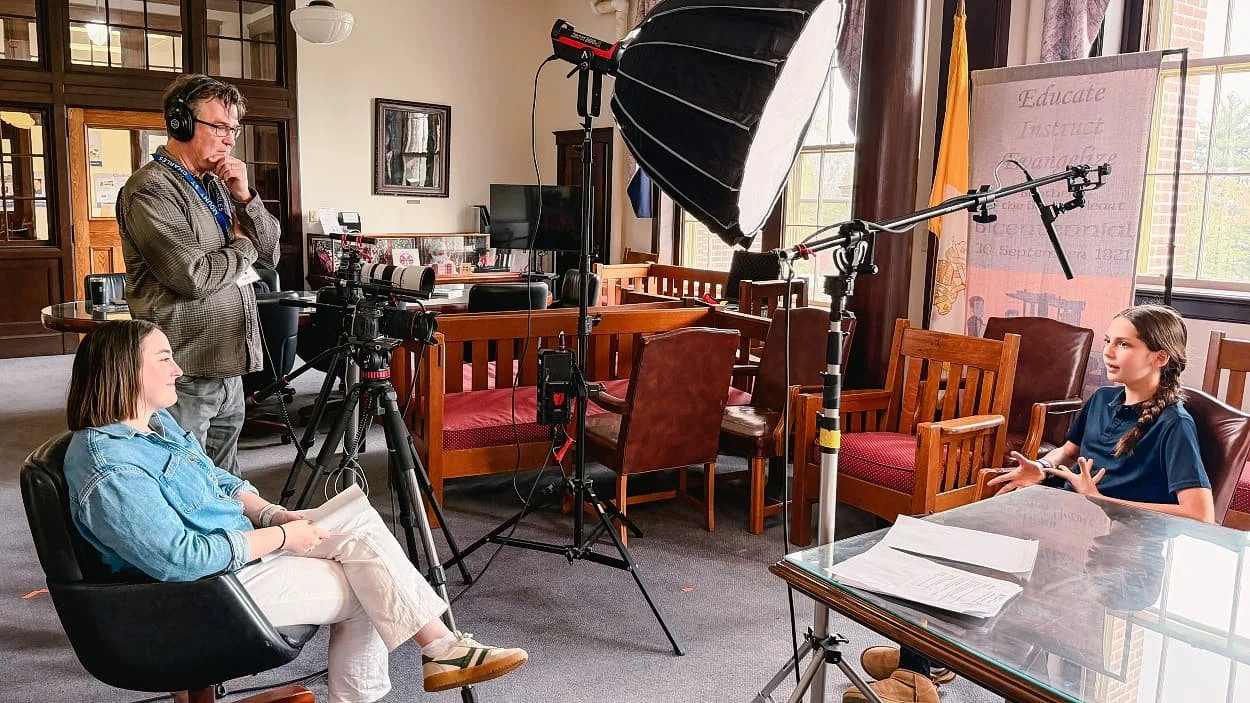
Behind the scenes of a video interview. The equipment matters, but helping someone feel comfortable is what allows a genuine story to unfold.
Sometimes the best part of an interview begins before we even get to the questions I came prepared to ask. I might start talking with someone about their family, their grandchildren, or what they enjoy doing on weekends. Maybe we discover a shared interest in sailing or something else entirely unrelated to the project.
Before long, we're having a genuine conversation. And when I eventually return to my prepared questions, something has changed. The person is more relaxed, and they're speaking to me rather than worrying about what to say to the camera.
I've learned over the years that these little conversations aren't distractions from the interview. They're often what makes the interview work. And that connection matters, especially when we're asking someone to share a personal experience about a business, a service, or a relationship that has made a difference in their life.
The Value of Hearing It From Someone Else
Trust is something every business works to earn. Whether you're a small business serving your local community or a large corporation working with clients across the country, people want to know who they're doing business with. They want to feel confident that the promises a company makes reflect the experiences of the people it serves.
One of the most effective ways to communicate that trust is through the voices of actual customers. A genuine testimonial can share something that traditional marketing sometimes struggles to convey: what it's really like to work with a business and why that experience matters.
Think about the last time you were considering a service or making an important purchase. You probably wanted to know more than what the company offered. You wanted to understand what other people experienced, whether their expectations were met, and how they felt about the relationship. Customer testimonials help answer those questions. They put a human face on a business and allow potential customers to connect with someone's real experience.
For smaller businesses, that personal connection can be especially valuable. For larger organizations, testimonials can help communicate the impact of their work through individual experiences that might otherwise get lost in broader corporate messaging. The size of the company may be different, but the underlying principle is the same. People connect with people.
A Good Interview Starts With a Conversation
Whenever I'm preparing for an interview, I arrive with a list of questions. There's usually a story we're hoping to tell, and I want to make sure we explore the important parts of that story. But I've never believed that a good interview means rigidly following a list of questions.
Whenever possible, I like to spend a little time getting to know someone before we begin recording. I'm looking for something we might have in common, whether it's family, hobbies, travel, or simply an interest we both enjoy.
There's a balance to this, though. I don't want to have such a deep conversation beforehand that someone ends up sharing everything we're hoping to capture on camera. When we return to those same stories during the interview, the spontaneity and energy may already be gone. They've told me the story once, and now they're trying to repeat it.
So I try to make that initial connection without getting too far into the subject of the interview itself. It's a small distinction, but an important one. The goal is to help someone feel comfortable and establish a connection, while leaving room for their story to unfold naturally when the cameras are rolling.
Sometimes those unexpected conversations even lead to details that become part of the finished story. Other times, they simply help someone relax enough to share their experience openly. That's when some of the most meaningful moments happen.
Sometimes You Have to Change the Approach
I remember one particular interview that taught me something about how differently people respond when a camera is pointed at them. We were interviewing an executive who was an experienced public speaker and had spent plenty of time in front of cameras. Before the interview, he gave us a tour of his facility. He was articulate, engaging, and completely comfortable talking as we walked. The conversation flowed naturally.
Then we positioned him for the interview, with the facility behind him, and turned on the cameras. Suddenly, everything changed. Even introducing himself became difficult. He stumbled over his words and seemed uncomfortable, which surprised me given how naturally he had been speaking just minutes earlier.
We tried talking with him and helping him relax, but the traditional interview setup just wasn't working. Then I thought about how comfortable he'd been during our tour. He had been walking, talking, and sharing information without hesitation. So I asked him if he'd feel more comfortable doing the interview while walking.
We changed our approach. I walked alongside him, just outside the camera's view, while our camera operator moved with us. We continued the conversation, as we walked through the facility.
His energy changed. He was more comfortable, and he was able to express his thoughts much more clearly. That experience stayed with me. It reminded me that even someone who is confident, articulate, and accustomed to public speaking can become uncomfortable in a particular interview environment.
Sometimes the solution isn't another question or another take. Sometimes it's changing the environment and allowing someone to communicate in a way that feels natural to them.
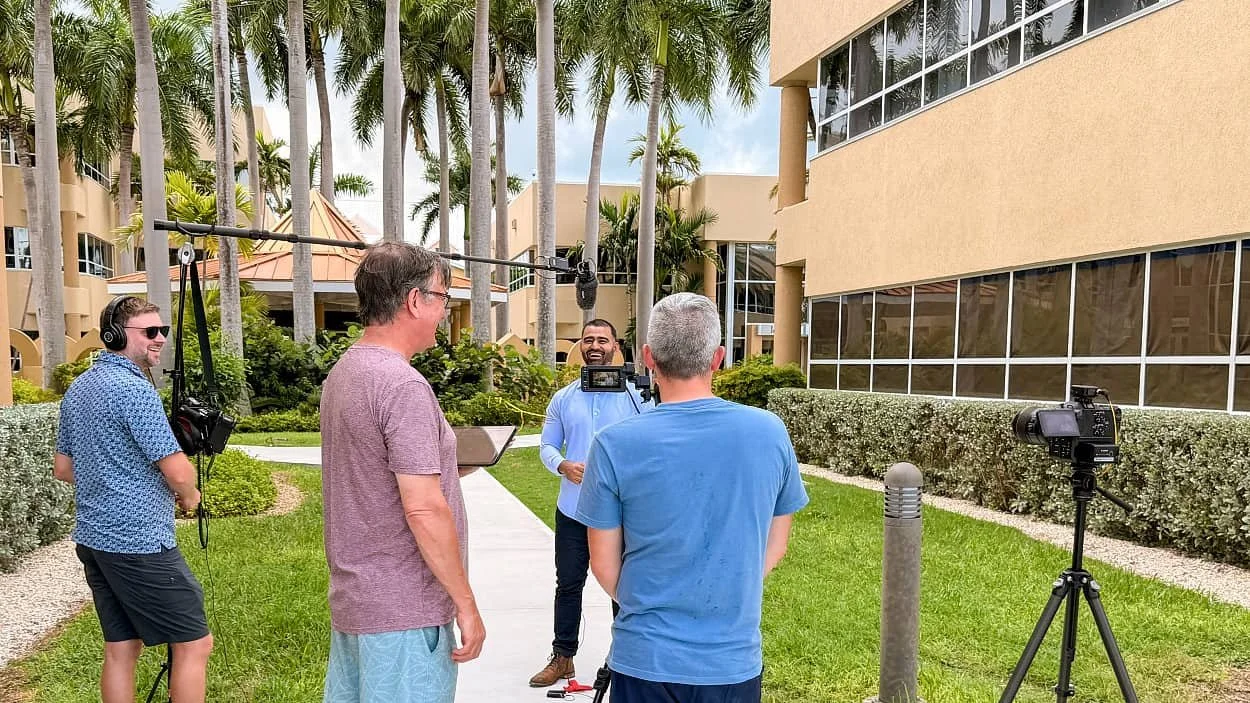
Every interview is different. Finding the right environment and connecting with the person in front of the camera can make all the difference.
Listening Is Just as Important as Asking Questions
One of the things I enjoy most about interviewing people is discovering where a conversation will lead. I may have a particular question prepared, but someone's answer might introduce an idea or experience I hadn't considered. When that happens, I'm happy to follow the conversation and see where it goes. A follow-up question can sometimes reveal much more than the original question.
Another thing I've learned is that interviews have a natural rhythm. Sometimes a conversation takes an unexpected turn and opens the door to a wonderful story. Other times, I can sense that someone is getting tired. I've learned to recognize those moments.
There may be a few questions left on my list, but that doesn't always mean I need to ask them. Sometimes the best thing I can do is thank someone for sharing their experience and know that we've captured something meaningful. The goal isn't to get someone to say the perfect thing. It's to give them the opportunity to share what they genuinely think and feel. That distinction matters.
Authenticity Matters More Than Perfection
It's understandable that businesses want their testimonial videos to look and sound professional. I believe in thoughtful production, good lighting, clear audio, and careful editing. Those elements help create a polished final piece. But production quality should support the story, not overpower it.
A customer doesn't need to sound like a professional spokesperson. In fact, a little hesitation, a spontaneous smile, or an unexpected expression can sometimes make a story feel more believable and relatable. There's a difference between helping someone feel comfortable and directing them toward a particular answer. I believe the strongest testimonials come from allowing people to describe their own experiences in their own words.
That also means being thoughtful about how those interviews are edited. The final video should communicate the person's experience accurately while presenting it in a clear and engaging way. A beautifully produced testimonial has little value if the story itself doesn't feel genuine.
A Story That Continues Working for Your Business
One of the practical benefits of customer testimonial videos is their versatility. A thoughtful testimonial can become part of a company's website, support a sales presentation, appear in social media content, or help introduce a business to prospective customers. A longer conversation might also provide several shorter moments that address different questions or highlight different experiences.
But I think the greatest value comes from something less measurable than the number of places a video can be shared. It's the opportunity to help someone understand what makes a business worth trusting. When a customer speaks openly about a positive experience, they're offering a perspective that a company cannot create simply by talking about itself. And when that story is captured with care, it can become a meaningful introduction to the people, relationships, and values behind a business.
Letting Real Stories Speak
After years of working behind the camera, I continue to appreciate how much can happen during a simple conversation. People have stories worth sharing, but sometimes they need a little time, patience, and encouragement to feel comfortable telling them.
My role is to listen, ask questions, and create an environment where those stories can unfold naturally. Sometimes that means following an unexpected conversation. Other times, it means putting the questions aside, changing the setting, or recognizing when someone has shared enough.
Whether I'm interviewing someone for a small business or a larger corporate project, that approach remains the same. Because ultimately, a genuine testimonial isn't about getting someone to deliver the perfect message. It's about giving someone the opportunity to share a real experience, and allowing that experience to speak for itself.