Boston Corporate Photography: Good Photography Begins Long Before the Camera Comes Out
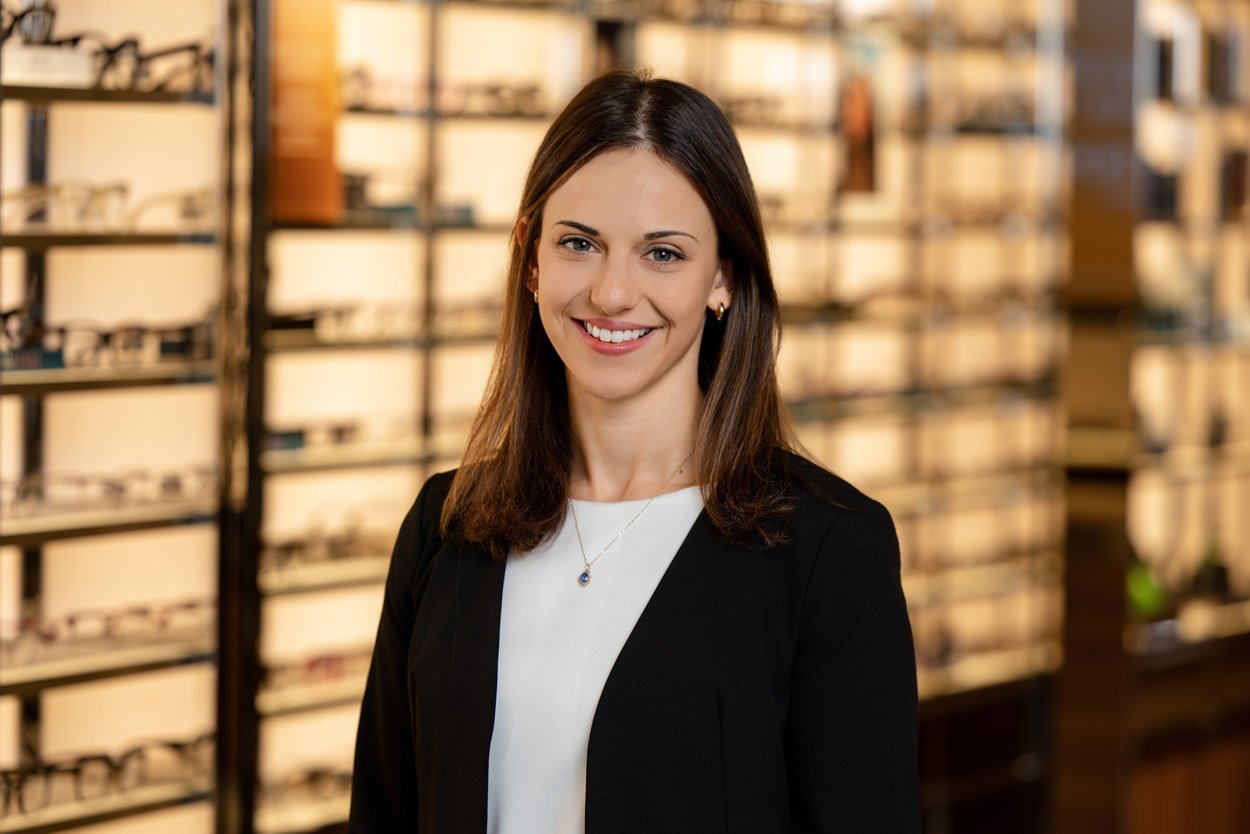
A successful corporate portrait goes beyond a professional smile. It reflects the personality of the individual while providing authentic imagery that strengthens a company’s brand.
When people ask what I enjoy most about corporate photography, my answer usually surprises them.
It isn’t the cameras or the lighting. It’s the variety.
Every organization has a different story to tell, and I enjoy discovering the best way to tell it visually.
One day I’m photographing executives in a conference room. The next I’m documenting manufacturing processes where certain equipment can’t be photographed because it’s proprietary. Another day might involve environmental portraits, employee candid moments, or creating images that help tell the story of an organization and the people behind it.
Every project is different. The personalities change. The environments change. The logistics change.
That’s exactly what I enjoy.
My background in photojournalism taught me to observe first, adapt quickly, and look for authentic moments. Those skills continue to shape the way I approach corporate photography today. While preparation is essential, no two projects unfold exactly the same way, and that’s part of what keeps the work interesting.
If you’re searching for a Boston corporate photographer, technical skill is only part of the equation. Equally important is finding someone who communicates well, adapts to changing situations, and represents your organization professionally while creating photographs that support your marketing, recruiting, communications, and brand.
Good corporate photography begins long before the camera comes out.
That simple idea has guided my work for more than three decades. The photographs themselves may only take a few minutes to create, but the planning, communication, and trust behind them often begin weeks before anyone stands in front of the camera.
Corporate Photography Is More Than Headshots
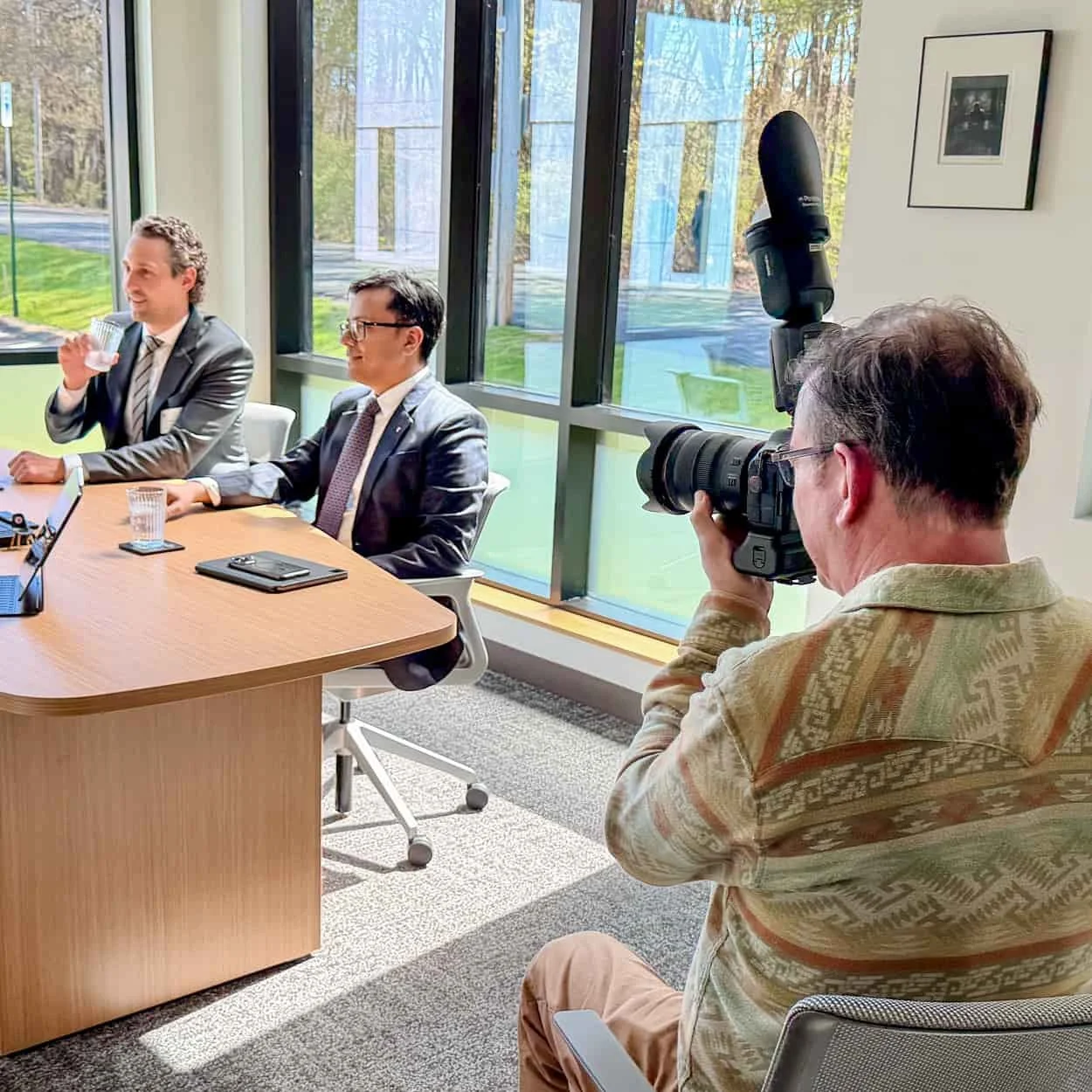
Good corporate photography begins long before the camera comes out. Preparation, communication, and the ability to adapt are just as important as the photographs themselves.
When many people hear the words corporate photography, they immediately think of executive headshots.
Headshots are certainly part of what I do, but they’re only one piece of a much larger story.
Today’s organizations need photography that supports their websites, recruiting efforts, annual reports, social media, public relations, presentations, marketing campaigns, and internal communications. They need images that reflect not only what they do, but who they are. Whether someone is considering becoming a customer, applying for a position, or learning about the organization for the first time, photography often creates that important first impression.
While many of my corporate photography projects take place in Boston, I regularly work with organizations throughout Rhode Island and New England. Regardless of the location, my approach remains the same: understand the organization’s goals first, then create photographs that support those objectives.
Sometimes that means creating executive portraits that feel confident and approachable. Other times it means documenting employees at work, capturing authentic interactions between team members, photographing manufacturing processes, or creating environmental portraits that place people within the spaces where they make a difference every day.
The best corporate photography isn’t just about creating attractive images.
It’s about creating photographs that communicate something meaningful about the people and the organization behind them. When those photographs are planned thoughtfully, they continue working long after the project is complete, helping organizations recruit employees, build trust with customers, and strengthen their brand.
Preparation Makes the Difference
Before every project, I spend time understanding much more than the schedule.
I want to know who the audience is, where the photographs will be used, and what story the organization is trying to tell. A website often requires different imagery than an annual report. Recruiting campaigns may call for authentic employee interactions, while executive communications might require polished environmental portraits. Understanding those goals before arriving on location helps every decision that follows.
Preparation also means understanding the logistics of a project.
Some assignments involve multiple locations spread across several days. Others require working around production schedules, executive calendars, or active workplaces where business can’t simply stop because a photographer has arrived. Every organization operates differently, and my goal is always to work within that environment rather than disrupt it.
A detailed plan doesn’t make a project rigid.
It creates the flexibility to adapt when something inevitably changes.
Recently, I completed a multi-day corporate project where every portrait session, interview, and location had been carefully scheduled. Partway through the project, one of the subjects called with an unexpected emergency at home and needed to move their session to another day. Because we understood the overall schedule instead of simply following a list of appointments, we were able to rearrange the remaining sessions with very little disruption.
Experience isn’t about avoiding problems.
It’s about knowing how to solve them without losing sight of the client’s goals.
When the Plan Changes
No matter how carefully a project is planned, there will always be surprises.
One production along the East Coast reminded me of that in a memorable way.
We had scheduled a portrait session on a beautiful beach with two models for a multi-day production. When we arrived, the beach was almost completely underwater. Somewhere along the way, the tide schedule had been calculated incorrectly.
Standing there wishing things had gone differently wasn’t going to change the tide.
Instead, we moved to another location that was already part of the day’s production plan. On the way there, we noticed a scene that hadn’t been part of our original concept. We only had about ten minutes before moving on, but we decided to stop and photograph it anyway.
Those ten minutes produced one of the client’s favorite photographs from the entire project.
Later that day, after the tide had finally receded, we returned to the original beach and completed the photographs we had planned from the beginning.
That experience had very little to do with photography.
It had everything to do with staying calm, recognizing opportunities, and keeping the client’s goals at the center of every decision. Corporate projects are full of variables. Schedules change. Weather changes. People become unavailable. The ability to adapt while continuing to move the project forward is every bit as important as understanding cameras and lighting.
Great Corporate Photography Is Built on Trust
Every corporate project is different, but they all have one thing in common.
They’re built on trust.
When a client hires me, they’re trusting someone to represent their organization, their employees, their leadership team, and ultimately their brand. Long before I take the first photograph, I recognize that responsibility. My goal is to create images that not only look professional, but also accurately reflect the people and culture behind the organization.
That trust begins with the people standing in front of the camera.
Very few people tell me they’re excited about having their photograph taken. Most would rather be doing almost anything else. That’s perfectly understandable. Whether I’m photographing a CEO, an engineer, a physician, or a new employee, I know that many people arrive feeling a little uncertain.
Rather than immediately directing poses, I usually begin with a conversation. We might talk about their role within the company, a shared interest, their family, travel, or something completely unrelated to work. Those conversations aren’t simply small talk. They’re an opportunity to build a connection and help someone stop thinking about the camera.
Once that happens, everything begins to change. Expressions become more natural, posture relaxes, and the photographs begin to reflect the person rather than someone trying to pose for a portrait. Those authentic moments are almost always the ones clients choose.
Trust extends beyond the people I’m photographing.
On a recent manufacturing project for Polaris MEP, one of our responsibilities was understanding what couldn’t be photographed. Some equipment was proprietary, certain products weren’t ready for public release, and other areas needed to remain confidential. Before we began photographing, we worked closely with the client to understand those boundaries so we could tell their story while protecting their intellectual property.
That experience isn’t unique to manufacturing. Healthcare organizations, biotechnology companies, research facilities, and technology firms often have similar concerns. Sometimes confidential information appears on a computer monitor. Other times it’s a prototype, a manufacturing process, or equipment that isn’t intended for public view.
Respecting those boundaries is every bit as important as creating strong photographs.
The more I understand a client’s goals, environment, and concerns before a project begins, the better decisions I can make throughout the day. Preparation allows me to focus on creating meaningful images while giving my clients confidence that their organization is being represented thoughtfully and professionally.
What Should You Look for in a Corporate Photographer?
Every organization has different needs, but there are a few qualities I believe matter regardless of the size of the project.
Look for someone who asks thoughtful questions before providing answers. A photographer who wants to understand your goals will almost always create stronger work than someone who immediately begins talking about cameras and equipment.
Look for someone who communicates clearly. Corporate projects often involve multiple stakeholders, changing schedules, and tight deadlines. Clear communication before and during a project helps everything run more smoothly.
Look for someone who can adapt. Whether it’s a schedule change, unexpected weather, or a last-minute opportunity, flexibility often makes the difference between simply completing a project and creating exceptional work.
Finally, look for someone you enjoy working with.
Photography is a collaborative process. The more comfortable people feel, the more authentic the final images become.
Frequently Asked Questions
Have you photographed organizations like ours?
Probably.
Over the past three decades, I’ve photographed organizations ranging from manufacturers and financial institutions to healthcare providers, nonprofits, educational institutions, and professional service firms. Every industry has its own challenges, but the process always begins the same way: learning about your organization and understanding what you’re trying to communicate.
Can you work around our schedule?
Absolutely.
Corporate projects rarely happen on an ideal schedule. Executives have limited availability, manufacturing continues throughout the day, and businesses need to remain productive. Building a flexible plan allows us to adapt when schedules inevitably change while keeping the project moving forward.
Do you carry insurance?
Yes.
I carry business liability insurance and can provide a certificate of insurance whenever it’s required for your project or facility.
More Than Photography
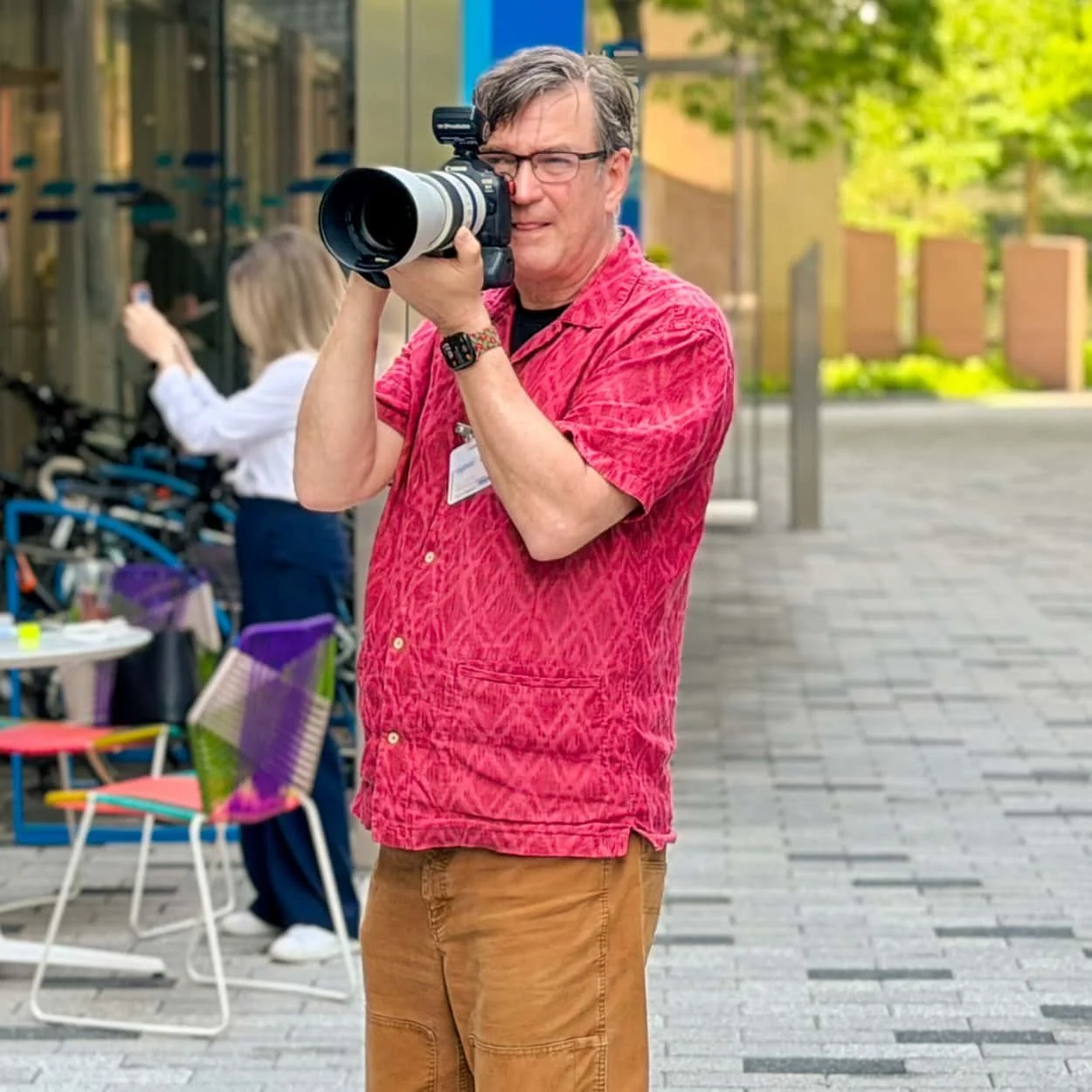
Every project brings a different environment, a different team, and a different story. That’s one of the reasons I still enjoy corporate photography after more than thirty years.
When I think back on the projects I’ve enjoyed most over the years, I rarely remember the camera I was using.
I remember the people.
I remember the conversations before a portrait session, the teamwork required to solve an unexpected challenge, and the satisfaction of delivering photographs that genuinely help an organization tell its story.
That’s why I still enjoy corporate photography after more than thirty years.
Every project brings new people, new environments, and new opportunities to learn something I didn’t know the day before.
Good corporate photography begins long before the camera comes out.
It begins with listening. It continues with preparation, communication, and the ability to adapt when plans change. Only then can I focus on what matters most: connecting with people and creating photographs that tell their story.