Photographing Alan Greenspan: The Portrait Took 60 Seconds. The Preparation Took Days.
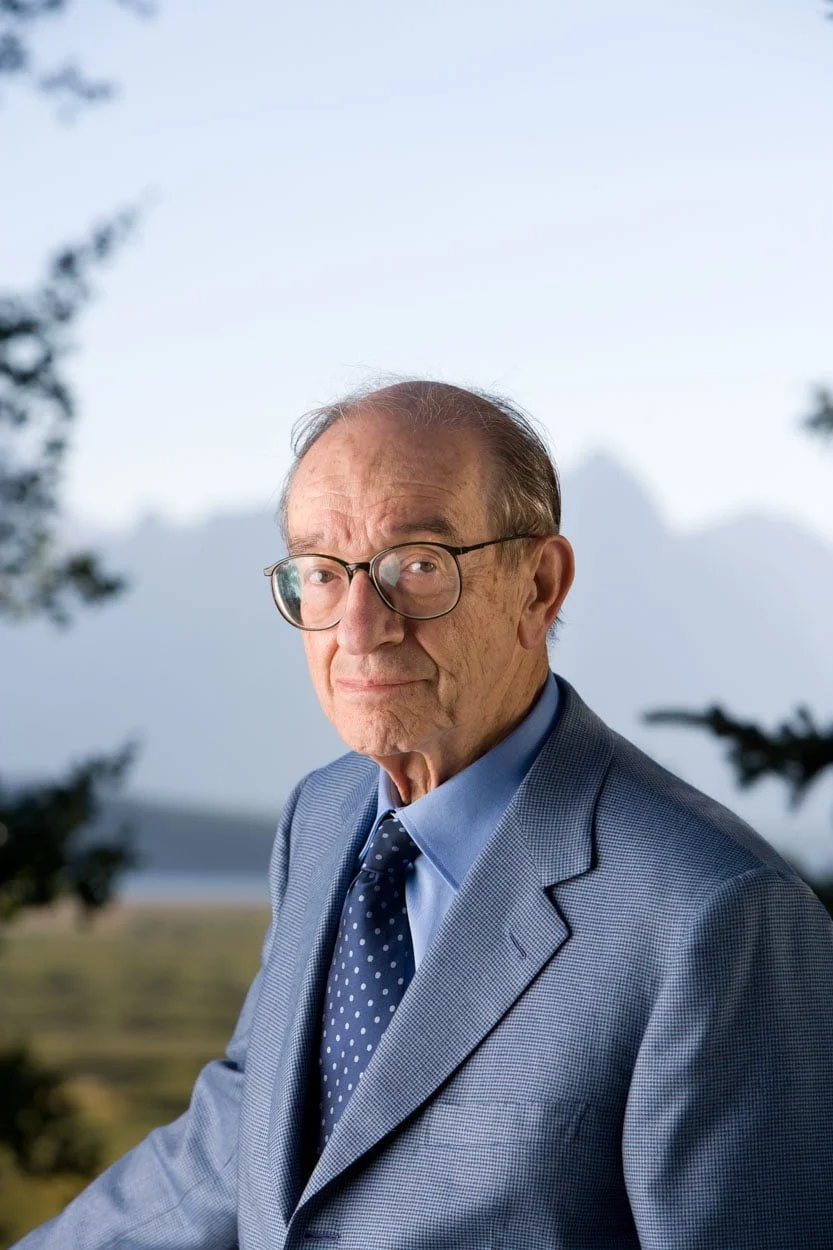
When I heard that Alan Greenspan had passed away at the age of 100, my mind immediately went back to a summer morning in Jackson Hole, Wyoming.
It was August 2005, and I had been hired by the Federal Reserve Bank of Kansas City to create an official portrait of Greenspan during the Federal Reserve's annual economic symposium. Over the years I would photograph him a few more times while he visited Kansas City, but this assignment was different. This was a dedicated portrait, and I wanted to get it right.
There was just one catch.
I asked for twenty minutes.
They gave me sixty seconds.
I countered with ten minutes.
The answer was still sixty seconds.
That one minute became the focus of everything we did over the next several days.
My assistant and I arrived in Jackson Hole two days early. We scouted the property, searching for a location that would complement the portrait while also meeting the publication's needs. We found a spot we liked, only to have security and Greenspan's team ask us to move closer to the building because of timing and security considerations. So we adapted, rebuilt the plan, and received approval.
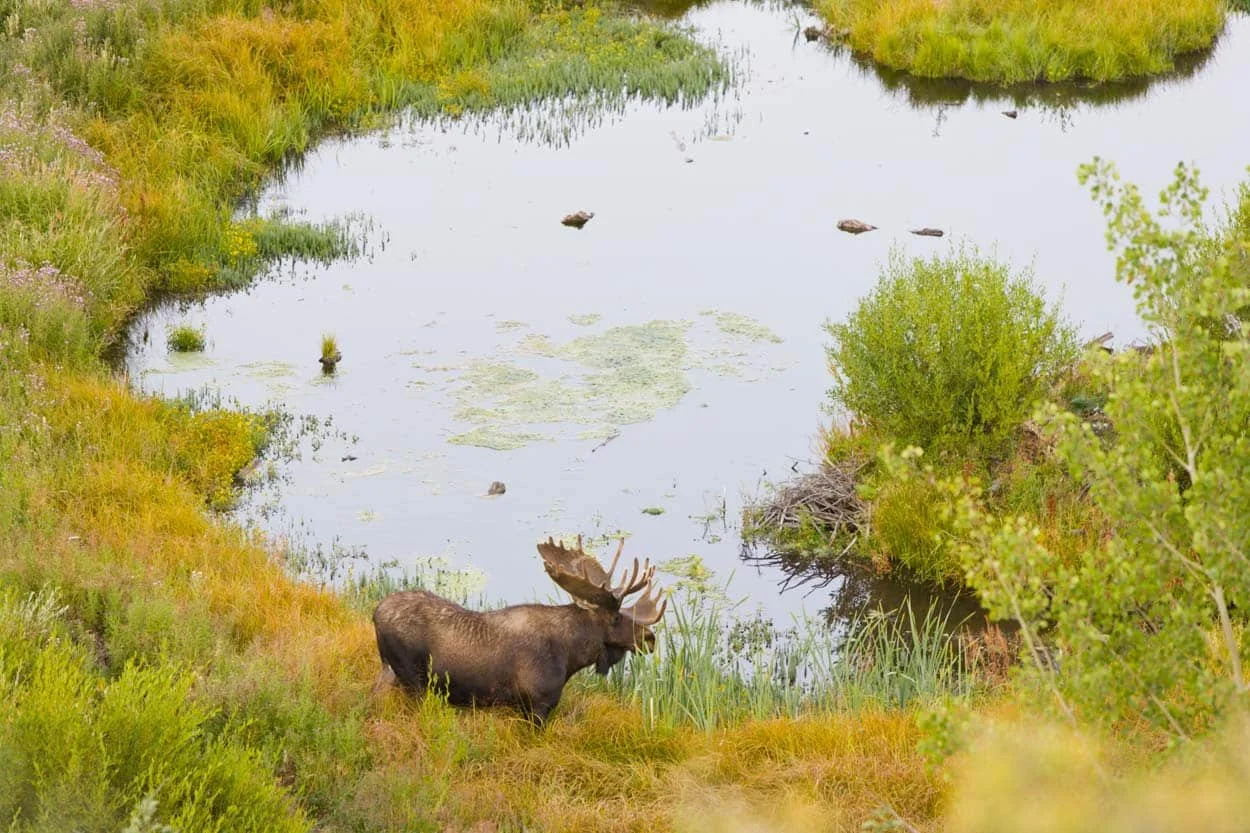
Arriving in Jackson Hole two days early gave us time to scout locations, refine our plan, and experience the Wyoming landscape before the assignment.
Like every project, the portrait wasn't just about finding a nice background.
We planned for changing weather. We designed a primary lighting setup, then built backup plans if something failed. We thought through the logistics of working outdoors with battery-powered studio lights long before today's portable lighting systems existed. We considered how the image would ultimately be used, leaving space above Greenspan's head for a publication masthead while still creating a balanced composition.
By the time the portrait session began, very little had been left to chance.
People often think photography is about what happens when the shutter clicks. The reality is that the photograph is only one part of the process. Great projects begin long before anyone steps in front of the camera and continue long after the equipment is packed away. The planning, location scouting, backup plans, conversations with security, understanding how the image will be used, preparing for changing weather, directing the subject, selecting the strongest frame, and the post production all work together. I've come to believe the final photograph is simply the visible result of hundreds of small decisions made before, during, and after that one moment.
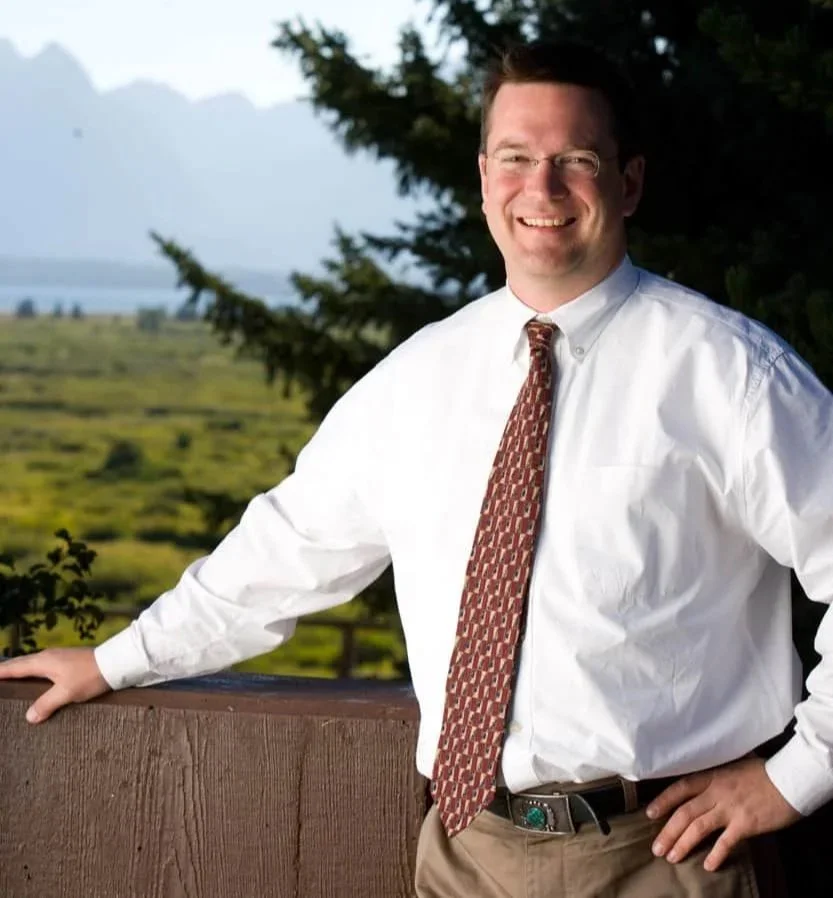
I stood in while we finalized the lighting and composition before Alan Greenspan arrived.
Then Alan Greenspan arrived.
There wasn't time for lengthy conversation or elaborate direction. Every frame needed a purpose. I made eighteen photographs in roughly sixty seconds. I asked him to make one subtle adjustment in his pose, not because the first wasn't working, but to give the editors another strong option for publication. One flash misfired along the way, but thankfully it wasn't on the frame we needed.
Then, almost as quickly as he had arrived, he was gone.
The portrait session was over.
I remember feeling an incredible sense of relief. The pressure leading up to the assignment had been real. Travel, scouting, logistics, backup plans, weather, security, timing. Every detail mattered because there wouldn't be a second chance.
I've realized over the years that while pressure can cost me a little sleep beforehand, it's also something that motivates me. I genuinely enjoy the production side of photography and video projects. I enjoy building a plan, anticipating problems before they happen, and creating backup plans for the backup plans. It's not always the easiest part of the work, but it might be my favorite.
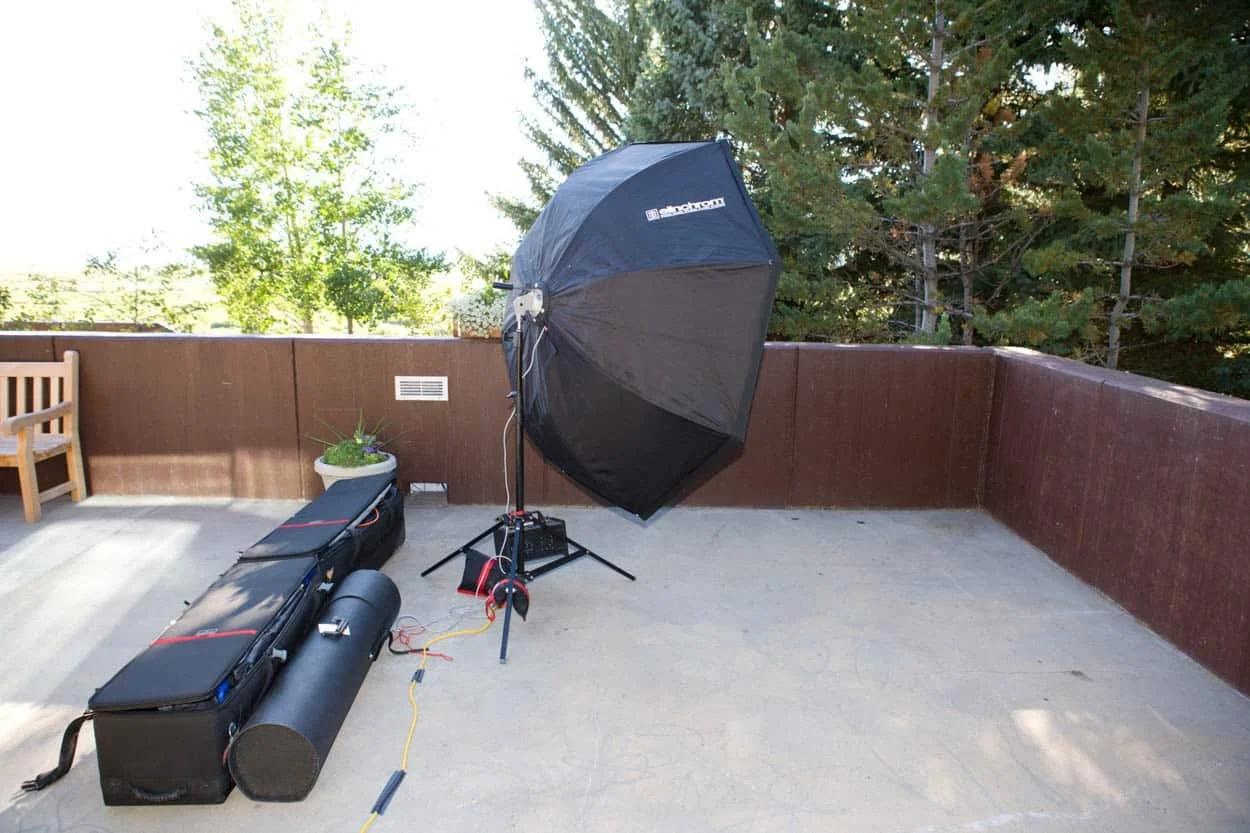
The lighting setup before Alan Greenspan arrived. Every detail was tested and refined so we could make the most of the sixty seconds we were given.
Looking back twenty years later, I'm proud of the portrait itself. I'm also grateful that I had the opportunity to meet Alan Greenspan on several occasions throughout my career.
But what has stayed with me the longest isn't the sixty-second portrait session.
It's everything that made those sixty seconds possible.
The portrait may have taken only a minute.
The preparation took days.