Showing the Story Behind a Business Through Photography and Video
How do you show what it actually feels like to work with a business?
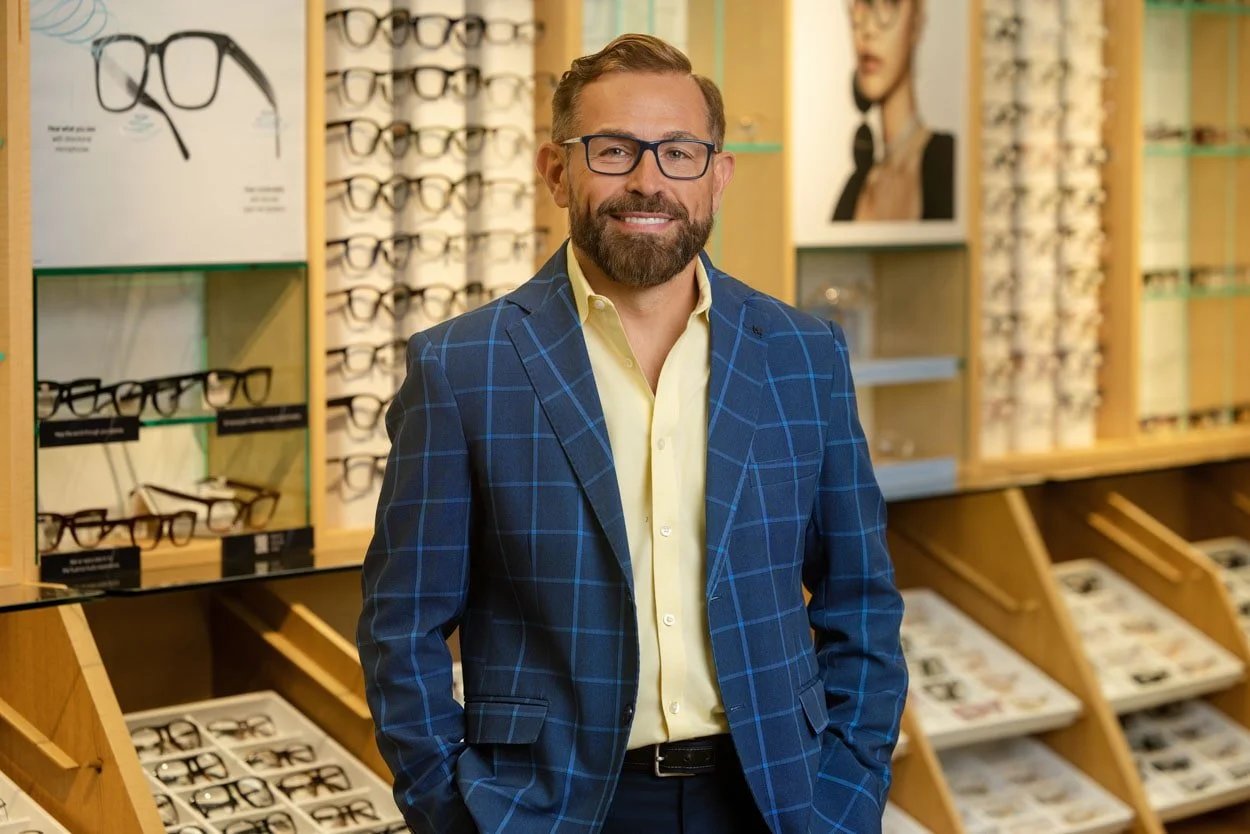
That was one of the interesting challenges when I worked with Dr. John Magalheas to create new photography and video content for his optometry practice. We needed environmental headshots, photographs of the staff, and images of John working with patients. But there was another part of the story that photography alone couldn't fully communicate.
It was the relationship he has with his patients.
Creating More Than a Collection of Images
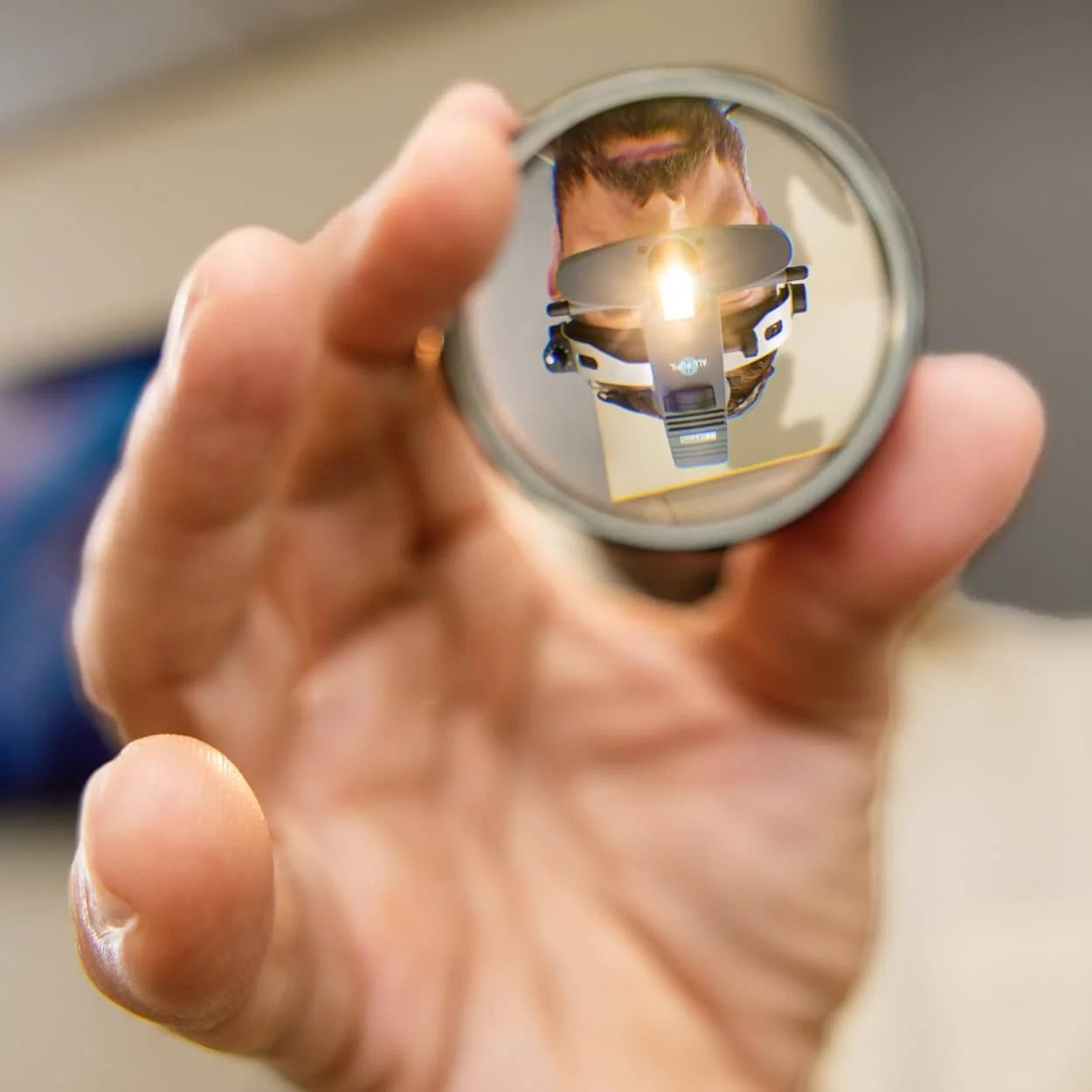
We approached the project knowing we needed a variety of content. That included environmental portraits that placed John and his staff within the setting of the practice, along with candid photography showing interactions and patient care.
Rather than separating everything into rigid blocks, we moved between portraits, candid photography, and video throughout the day. We knew what we needed to create, but remained flexible about when we created it.
I often find that approach works well. There is a plan and a clear list of deliverables, but there is also room to recognize something genuine happening in front of the camera and respond to it.
The resulting photography gave the practice a library of original imagery that felt specific to them. Instead of relying on generic healthcare imagery, prospective patients could see the actual people and environment they would encounter.
But video allowed us to go deeper.
Letting Dr. Magalheas Tell His Own Story
One of the videos featured John talking about his approach to eye care. He has practiced at the location since 2000, with some patients continuing to return year after year and even decade after decade.
What stood out to me was the way he talked about balancing technology and innovation with something much more fundamental: caring for the person sitting in front of him.
As John explained during our interview, being innovative with equipment and eyeglass technology matters, but so does being open, caring, and attentive to a patient's needs. His philosophy wasn't centered simply on where someone practices. In his words, the key is
“how you practice.”
Dr. John Magalheas shares his approach to patient care, eye health, and the importance of how you practice.
John also shared the story of a young man who wanted to become a train conductor but had a vision problem that hadn't been successfully addressed. John was able to identify the condition and treat him. According to John, the young man eventually achieved the visual acuity he needed and became a train conductor.
It's one story within a much larger practice, but it illustrates something that's difficult to communicate with a single photograph or a paragraph of website copy. There can be a person and a life behind every appointment.
Hearing the Story From the Other Side
That's also why we recorded testimonials from people who had experienced John's care themselves.
One longtime patient, Sharon, talked about being with the practice for 25 years. She remembered first arriving unexpectedly with an eye injury and being cared for right away. Decades later, she described walking into the office as feeling like she was coming back to see family.
Another patient, Richard, had his own story.
He described struggling with a particular vision problem and not finding a solution elsewhere. John eventually solved the issue for him. Richard remembered that as the moment he realized,
“This guy knows what he's talking about.”
Their relationship continued from there. Richard also talked about John detecting the onset of macular degeneration and continuing to monitor it over many years. Today, he describes John as his family's
“go-to person for eye health.”
Richard shares his experience as a longtime patient of Dr. John Magalheas and the trust they’ve built through years of eye care.
That's the value of a good testimonial for me. I don't need someone to sit in front of a camera and simply tell us a business is great. I would much rather give them the space to tell us about their experience.
The details tell the story.
When the Project Changes Your Own Perspective
I spend a lot of time listening when I'm producing interviews like these.
I'm thinking about the story, of course. I'm listening for the moments that might shape the edit and considering what follow-up question might take us somewhere more interesting. But I'm also simply hearing what people have to say.
After listening to John, his colleagues, and his patients talk about their experiences, I came away from the project with a much better understanding of who John is as an eye doctor. I heard stories about long-term relationships, difficult vision problems, thorough exams, technology, and patients who genuinely felt cared for.
It made an impression on me.
Enough of one, in fact, that I eventually switched to John for my own eye care.
That wasn't something I expected when we started the project. But perhaps it says something about the power of hearing people tell their own stories.
Giving People Something Real to Connect With
The photography and videos we created are now part of the practice's online presence, giving prospective patients an opportunity to see the people behind the business and hear directly from those who know it.
For a small business, that kind of original content can be especially valuable. A professionally designed website can explain services and provide information. Original photography can show the actual people, environment, and experience. Video can add voices, personalities, emotion, and stories.
And this isn't limited to small businesses or healthcare.
The same idea applies to larger companies and organizations. Sometimes the people best equipped to communicate what makes an organization different are its customers, employees, partners, or the people whose lives have been affected by its work.
My role is to create the environment where those stories can come forward naturally, and then use photography and video to help tell them well.
Because sometimes the most effective way to tell people who you are isn't to tell them yourself.
It's to let them hear it from the people who already know.