
When Does a Business Actually Need Video?
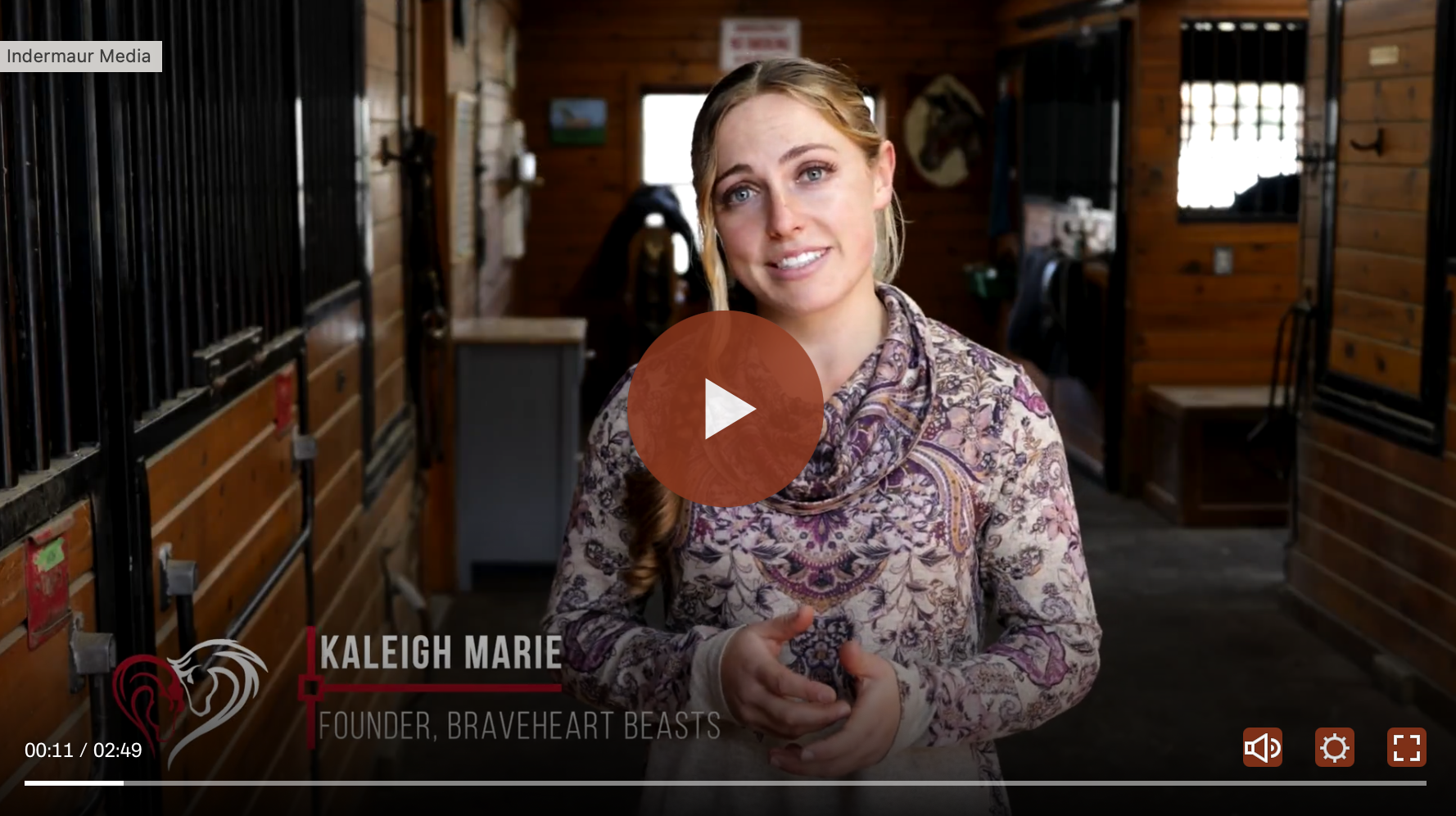
Seeing and hearing someone speak creates a level of connection that written content alone often can’t.
There’s a question I get asked often.
“We’re thinking about video… should we be doing that?”
It’s a fair question. Video is everywhere. It feels like something every business should have.
But the better question isn’t whether you should have video.
It’s whether it’s the right next step.
Video Isn’t Always the First Step
In many cases, video comes up before the foundation is in place.
A business might be working with:
Outdated or inconsistent photography
A website that isn’t clearly structured
Messaging that hasn’t been fully defined
Adding video on top of that doesn’t always solve the problem.
It can actually make things feel more disconnected.
In many situations, strong business photography and a clear website come first. They establish how the business looks, how it’s understood, and how people move through the information.
Once that foundation is in place, video becomes much more effective.
What Video Actually Does
When video works, it does something that photos and text can’t fully replicate.
It lets people:
Hear your voice
See how you communicate
Get a sense of your personality and presence
In many cases, hearing someone speak for even a few seconds has more impact than reading an entire page.
It shortens the distance between a business and a potential client.
A simple example is a business owner speaking directly about what they do.
Hearing a business owner speak directly about what they do helps build trust and gives a clearer sense of who they are.
Two Types of Video That Work for Businesses
Not all video serves the same purpose. Most business video falls into two simple categories.
Voice and Story
This includes:
A business owner speaking
A team member explaining a service
A short brand or story video
This type of video builds trust. It gives people a sense of who they’re working with before any conversation happens.
Silent and Atmospheric
This is often overlooked, but incredibly effective.
A short, silent video on a website can show movement, process, and environment in a way that still images can’t. It adds energy without requiring sound and helps bring the experience to life.
These clips are often used:
On homepages
As background or banner elements
To show a product or space in action
They’re simple, but they make a website feel more active and engaging.
When Video Starts to Make Sense
Video becomes a strong next step when:
You want to build trust more quickly
You want to show personality, not just information
You’re introducing something new
Your website feels static or hard to understand
You want people to get a clearer sense of what it’s like to work with you
At that point, video isn’t just an add-on. It becomes part of how you communicate. This is where seeing examples of business video work becomes helpful.
When Video Doesn’t Help
Video isn’t always the answer.
It tends to fall flat when:
There’s no clear message behind it
The website and visuals aren’t aligned yet
It’s being created just because “we should have video”
Without purpose, video becomes another piece of content that doesn’t quite connect.
A Simple Example
A simple example is a business owner speaking directly about what they do.
In one project, we filmed a business owner in her own space, speaking naturally about her service. There was no complex setup or heavy production. Just a clear message, delivered in a way that felt genuine and confident.
That alone gave a much stronger sense of who she was and how she worked than written content could on its own.
Not All Video Needs Sound
Video doesn’t always need sound to be effective. A short, silent clip like this can show movement, environment, and energy in a way that still images can’t.
A short, silent video can show movement, environment, and energy in a way that still images can’t.
In the same project, we also created a short clip that simply showed movement and environment. It added energy to the website and helped bring the space to life without requiring attention or audio.
These small details can make a website feel more active and engaging.
Where Video Fits
Video works best when it’s part of a larger system.
Photography creates clarity
Video creates connection
Your website brings everything together
When those pieces are aligned, the overall experience becomes much stronger and easier to understand.
A Final Thought
Not every business needs video right away.
But when the timing is right, it can be one of the most effective ways to communicate who you are and how you work.
It doesn’t need to be complicated.
It just needs to be intentional.