The Tripod That Changed How I Slow Down
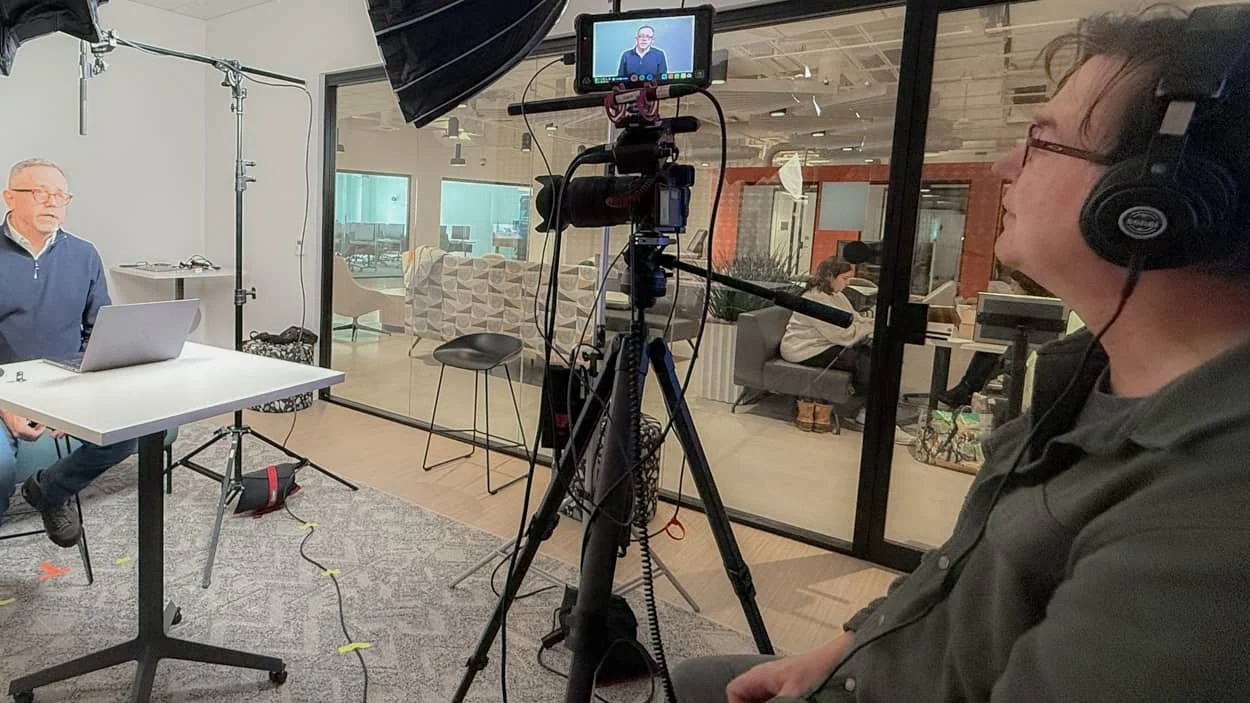
On location in Cleveland, moving between photography and video without friction.
This is not a tripod review.
I am not here to rank features, list specifications, or convince anyone to buy anything. This is about a small but meaningful shift in how I work, and the unexpected role a tripod played in that change.
Last year, I backed the Pro Tripod from Peak Design on Kickstarter. I hesitated more than usual. I have supported well over a hundred Kickstarter projects over the years, and I even funded my own book there many years ago. I am comfortable with risk when it comes to thoughtful design. What gave me pause this time was not the platform. It was the price.
By the time accessories are added, this tripod clears a thousand dollars. That is a lot of money for something I have actively disliked for most of my career.
I have owned tripods for years. Clunky ones. Heavy ones. The kind that were just inconvenient enough that I avoided using them whenever possible. In the film days, I would handhold at painfully slow shutter speeds. Even with medium format cameras, I preferred the challenge over setting up a tripod. I never found one that felt like it worked with me instead of against me.
So I did not expect much beyond basic utility.
When it arrived, my first reaction was the weight. Or more accurately, the lack of it. It was surprisingly light. That caught my attention immediately. But what held it was the design. The more I handled it, the more I noticed how thoughtfully it was engineered. Compact. Solid. Nothing felt accidental. It felt like a system where each decision was made to work together rather than compete for attention.
What really pulled me in was how adaptable it was without becoming complicated. The video head removes easily, folds down, and fits cleanly into my camera bag. No bulk. No awkward parts. It felt designed by someone who actually works this way.
I told myself this was not going to be a review. And it still is not. But after a few weeks of use, something unexpected happened. I started reaching for a tripod because I wanted to, not because I had to.
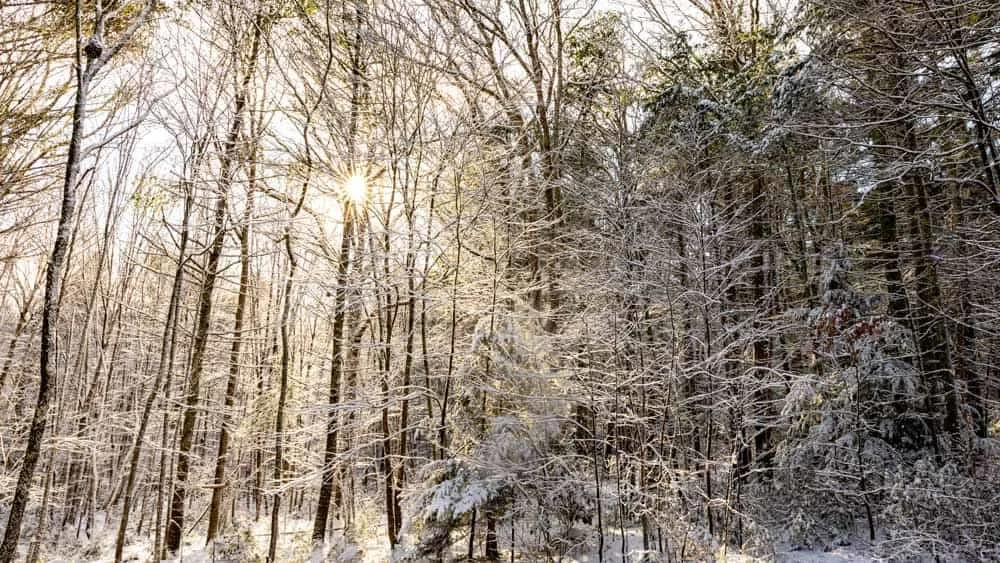
An early winter morning at home. Fresh snow, quiet woods, and a moment that invited me to slow down and really make the photograph.
Then came the snowfall.
One morning, I woke up to the first real snowfall of the season. Snow on the ground. Snow still falling. Our trees and the twelve acres of woods behind the house completely transformed.
In the past, I would have stepped outside, handheld a few frames, and gone back in. I never brought a tripod into moments like this. Tripods always felt like they interrupted the flow. They took too long to set up. I never felt connected to them, which sounds ridiculous considering they are inanimate objects, but it was always true.
That morning was different.
I took the tripod outside with one of my newer cameras and decided to slow down and enjoy the process. From the moment I extended the legs, it felt natural. Solid. Balanced. Tall enough to open up new perspectives without feeling unwieldy. Everything about it felt considered and well resolved.
It was bitterly cold. And that is when I realized I did not need to stand there freezing.
I set the camera, stepped just inside the house, and used my phone to preview and trigger the shutter. I stood there with a cup of coffee, watching the snowfall through the frame in real time. This is technology I have had access to for years, but I had never used it like this. Not because it was not available, but because my tools never invited me to slow down and lean into it.
I stayed out longer than I planned. I moved to the front yard. I made more photographs. Not because I needed them, but because I wanted to keep working.
When I came back inside, my wife said something simple that stuck with me. She told me she had never seen me take a tripod out just to make photographs for fun.
That might have been the most telling part of the morning.
Recently, I was working in Cleveland, moving between photography and video. I handheld all of the stills, as I usually do. For video, I needed a tripod. What surprised me was how seamless the transition felt. One tripod. No mental overhead. I could focus on creating exceptional visuals instead of managing equipment.
I have spent my entire career adapting to change. I started with black and white film, moved to color negative, then slide film, and eventually made the shift to digital. Each transition came with a mix of hesitation, excitement, and growth. I have always been drawn to what new tools make possible, even when they asked me to rethink how I work.
What surprised me this time was how small the shift felt.
I did not set out to rethink how I work. I simply wanted tools that felt lighter, easier, and more aligned with how I move through the world. Somewhere along the way, that intention turned into something more meaningful. I slowed down. I paid attention. I found myself enjoying the process again.
This tripod was not the first technology shift I have experienced, and it will not be the last. It just happened to be the one that reminded me how much the right tools can quietly shape the way we see.